

How to Achieve Post Traumatic Growth and Resilience
Adverse Childhood Experiences (ACEs) are pivotal events that occur during childhood and have lasting impacts on an individual’s mental, physical and emotional well-being. Coined by Dr. Vincent Felitti and Dr. Robert Anda in the 1990s, ACEs encompass various forms of abuse, neglect and household dysfunction experienced before the age of 18.
Understanding the profound effects of ACEs is essential for fostering resilience and facilitating post traumatic growth.
Ten ACEs were defined:
1. Physical Abuse: Involves the intentional use of physical force against a child, resulting in injury, harm or impairment.
2. Sexual Abuse: Refers to any form of sexual contact or behaviour with a child, including molestation, exploitation or rape.
3. Emotional Abuse: Entails the infliction of emotional harm or psychological trauma on a child through verbal insults, humiliation or manipulation.
4. Physical Neglect: Occurs when a caregiver fails to provide for a child’s basic physical needs such as food, shelter, clothing or medical care.
5. Emotional Neglect: Involves the absence of emotional support, warmth and nurturance from caregivers, leading to feelings of abandonment and isolation.
6. Household Substance Abuse: Refers to the presence of substance abuse or addiction within the household, exposing children to chaotic and unpredictable environments.
7. Household Mental Illness: Occurs when a caregiver suffers from a mental health disorder, impairing their ability to provide a stable and nurturing environment for the child.
8. Domestic Violence: Involves the witnessing or experiencing of intimate partner violence or familial conflict, leading to feelings of fear, helplessness and trauma.
9. Parental Separation or Divorce: Entails the dissolution of a parental relationship, causing disruption to the child’s sense of security and stability.
10. Incarceration of a Household Member: Refers to the imprisonment of a caregiver or household member, resulting in familial disruption and loss of support.
These ACEs represent significant challenges that can impact an individual’s development, relationships and overall well-being. By recognising and addressing the effects of ACEs, individuals can embark on a journey of healing, resilience and post traumatic growth.
The Impact of ACEs on Adult Life:
Scientific research consistently demonstrates the detrimental effects of ACEs on adult life. Individuals who experience ACEs are at increased risk of developing physical and mental health issues including depression, anxiety, substance abuse and chronic illnesses such as heart disease, cancer and other autoimmune disorders. The landmark ACEs study conducted by Felitti and Anda revealed a dose-response relationship between the number of ACEs and adverse outcomes later in life. Moreover, ACEs can disrupt neurodevelopment, leading to difficulties in forming healthy relationships, managing emotions and coping with stress.
Case Studies:
1. Samantha, a 35-year-old mother of two, sought guidance to address the impact of her traumatic childhood experiences on her relationships. Raised in a household marked by parental substance abuse and domestic violence, Samantha struggled with trust issues and low self-esteem. Through resilience coaching and trauma-informed therapy, she learned to recognise and challenge negative thought patterns, rebuild her sense of self-worth and establish healthy boundaries in her relationships.
2. Michael, a 28-year-old professional, grappled with the effects of emotional neglect and parental abandonment during his formative years. As a result, Michael struggled with intimacy and vulnerability in romantic relationships, fearing rejection and abandonment. With the support of trauma-focused cognitive behavioural therapy (CBT) and attachment-based interventions, he gradually developed greater self-awareness and learned to cultivate secure attachments, leading to more fulfilling connections.
3. Emily, a 42-year-old divorcee and mother of three, faced the challenge of overcoming the trauma of childhood alienation due to parental divorce. Feeling emotionally disconnected and unworthy of love, Emily sought guidance to heal from past wounds and rebuild her self-esteem. Through holistic wellness counselling and family therapy, she embarked on a journey of self-discovery, reclaiming her identity and forging deeper connections with her children.
Therapeutic Approaches for Healing ACEs:
1. Trauma-Informed Therapy utilises evidence-based techniques such as cognitive processing therapy (CPT) and eye movement desensitisation and reprocessing (EMDR) to address trauma symptoms and promote healing.
2. Attachment-Based Interventions focus on repairing and strengthening attachment bonds, fostering secure relationships and addressing relational trauma.
3. Mindfulness and Meditation teaches individuals to cultivate present-moment awareness, regulate emotions and reduce stress reactivity through mindfulness practices.
4. Expressive Arts Therapy harnesses the therapeutic power of creative expression, including art, music and dance, to process emotions, explore trauma narratives and foster self-expression.
5. Support Groups and Peer Counselling provides a safe and supportive environment for individuals to share experiences, receive validation and learn coping strategies from peers who have overcome similar challenges.
Expanding the Definition of ACEs:
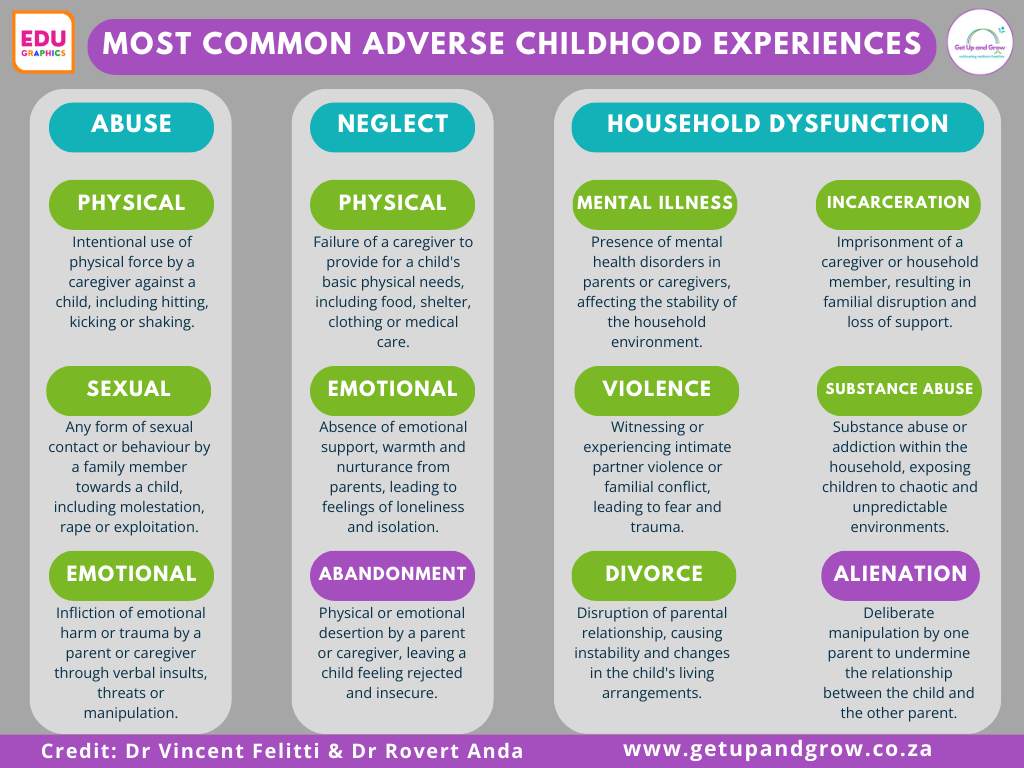
In addition to the traditional ACEs, it is imperative to recognise the adverse impact of childhood abandonment and alienation. These experiences can profoundly affect an individual’s sense of security, belonging and self-worth, leading to long-term emotional scars and relational trauma and other difficulties. That is why I decided to add them to the original list of ACEs, to make twelve Most Common Adverse Childhood Experiences in total.
11. Abandonment: Occurs when a caregiver or parent physically or emotionally deserts a child, leaving them feeling rejected, unloved and insecure in their attachments.
12. Alienation: Involves the deliberate manipulation or interference by one parent to undermine the relationship between a child and the other parent, resulting in feelings of rejection, confusion and loyalty conflicts for the child.
Conclusion:
While ACEs can have enduring consequences, they do not dictate one’s destiny. Through resilience-building practices and therapeutic interventions, we can transcend our past traumas, cultivate resilience and embark on a journey of post traumatic growth. By acknowledging the impact of ACEs and seeking support, we can reclaim our power, rewrite our narratives and create a future filled with hope, healing and thriving relationships.
In this Get Up and Grow community, we’re committed to empowering individuals and families to overcome adversity, cultivate resilience and thrive in all aspects of life. Together, we can turn adversity into opportunity and pave the way for a brighter, more resilient future.
Remember, your past does not define you. Your journey toward healing and growth starts now.
If you are a Get Up and Grow Member as part of an Employee Wellness Assistance Programme, you may click this link to complete the online assessment if it is listed as part of your required training. Please keep a record of your results in a safe place.